Best HVAC Contractors
Frequent AC Repairs: How to Recognize When Your System Requires Service
AC systems are vital for maintaining comfort, especially during hot months. Despite their importance, they may develop faults that hinder their performance. Signs such as inadequate cooling, unusual odors, or strange noises often indicate that repairs are necessary. Recognizing these warning signs is critical for homeowners. Addressing these concerns early can contribute to timely resolutions and better overall system performance. What are the key warning signs to be aware of?
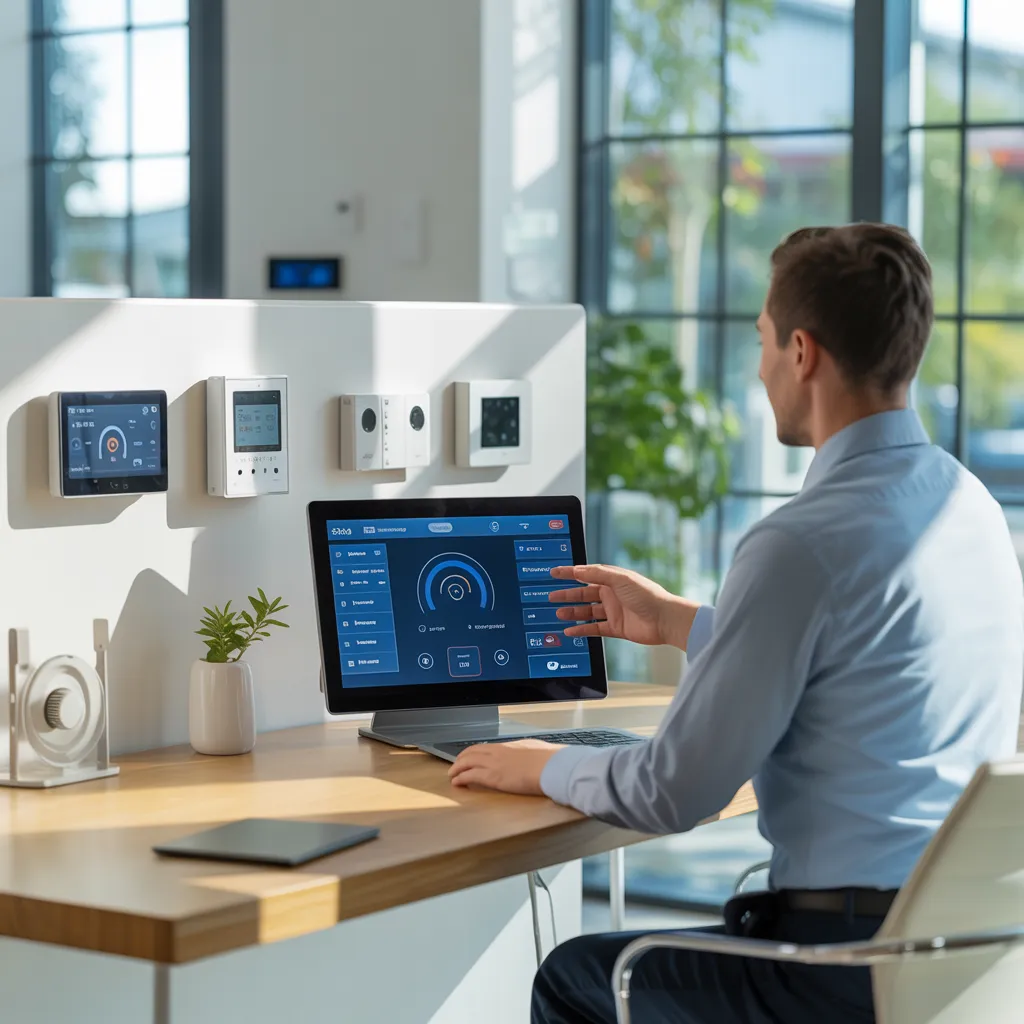
Warning Signs Your AC Needs Repair
How can homeowners tell when their air conditioning units need repair? Identifying the signs of a failing air conditioning system is essential for preserving comfort and efficiency. One of the first indicators is inadequate cooling; if the unit struggles to maintain the set temperature, it may need attention. Homeowners should also watch for unusual odors emanating from the vents, which can signal issues like mold or electrical problems.
In addition, higher utility bills despite no changes in usage behavior can indicate inefficiency, implying that repairs may be necessary. Frequent on and off cycling, referred to as short cycling, can also serve as a warning sign. In addition, condensation forming around the system or strange noises, including hissing or bubbling, can reveal underlying complications. Addressing these signs promptly can assist homeowners in preventing more significant repairs and ensure their air conditioning systems function efficiently.
What Are the Reasons Your AC Is Making Unusual Noises?
Odd noises emanating from an air conditioning system commonly point to underlying issues that require attention. Typical noises consist of rattling, which can indicate dislodged parts or foreign objects inside the unit. A hissing noise can signal refrigerant leaks, potentially compromising efficiency and leading to further damage. A grinding sound often signals deteriorating bearings or problems with the motor, while a high-pitched squeal may indicate issues affecting the compressor or fan unit.
Additionally, should a unit generate a continuous buzzing noise, this may point to an electrical concern or a failing capacitor. These noises not only compromise comfort but also function as critical warning signals. Disregarding these sounds can lead to more costly repairs or complete system failure. Residents should carefully track these sounds and seek a qualified technician to accurately identify the issue. Prompt action can help ensure the durability and optimal performance of the air conditioning unit.
Recognize Inefficient Cooling Problems
When dealing with poor cooling performance from an AC unit, homeowners often wonder what could be causing the issue. Several factors may contribute to a system's inability to cool effectively. One common reason is a dirty or clogged air filter, which obstructs air circulation and lowers overall cooling performance. Furthermore, leaks in the refrigerant system can result in inadequate cooling, because the refrigerant level is too low to properly manage heat absorption. An additional consideration is a unit that is not properly sized, which cannot effectively cool the intended area. Homeowners should also consider thermostat issues, such as improper configurations or faulty sensors that disrupt normal system operation. Lastly, obstructed vents or ductwork can restrict air movement, adding another obstacle to the unit's cooling performance. Recognizing these problems at an early stage can help avoid major issues and maintain top-level performance from the cooling unit. Scheduled upkeep and professional inspections can help resolve these concerns before they become more severe.
How to Handle Strange Odors Coming From Your AC
What could be causing strange odors coming from an air conditioner? Various factors can contribute to these odors, often indicating underlying issues. A musty smell may suggest the presence of mold or mildew inside the unit, usually caused by excessive moisture buildup. In contrast, a burning scent might point to electrical problems or overheating components, requiring prompt action. If a pungent, chemical-like odor is present, it might suggest a refrigerant leak, which demand timely inspection.
Additionally, a strong, offensive odor can emerge from rodents living inside the unit, highlighting the need for a comprehensive inspection. Household members should examine air filters, as contaminated filters can also contribute to offensive smells. Regular maintenance is essential to avoid these issues. To summarize, pinpointing the cause of strange smells is vital for the optimal performance of the air conditioning system and supports a healthy indoor environment.
When You Should Contact a Professional for AC Repairs
When should homeowners decide to reach out for professional AC repair assistance? Identifying the warning signs that call for expert assistance is critical to keeping a cooling system running efficiently. When the air conditioner emits strange sounds, like grinding or hissing, this could point to mechanical problems that need professional evaluation. Additionally, inconsistent temperatures throughout the home or a sudden increase in energy bills can indicate underlying problems that professionals should address.
Homeowners should also be alert to any leaks or excessive moisture around the unit, as these can result in more serious damage. If the system is unable to cool efficiently, despite operating without interruption, it is time to consult a technician. Additionally, if the unit is aging and suffering repeated breakdowns, expert assessment and repair can help avoid expensive replacements. Acting swiftly can maximize the longevity of the AC system and secure peak efficiency.
Helpful Tips for Maintaining Your Air Conditioning System
Servicing an AC system is essential for its durability and optimal performance. Regular filter replacements, seasonal checkups, and cleaning the outdoor unit are critical routines that reduce the risk of costly breakdowns. These easy practices secure optimal operation and boost the quality of your indoor air.
Scheduled Filter Replacement
Regularly replacing the air filter is vital for peak air conditioning performance. Clogged or dirty filters can restrict airflow, leading to reduced cooling efficiency and higher energy usage. Such pressure on the equipment can result in increased electricity expenses and risk of equipment damage. Professionals advise checking filters monthly and replacing them every one to three months, depending on how often the system is used and the surrounding conditions. Residences with pets or significant dust accumulation may require filter changes at shorter intervals. A clean filter not only enhances air quality by trapping dust and allergens but also extends the lifespan of the AC unit. By prioritizing filter maintenance, homeowners can be confident their air conditioning system functions at peak efficiency and reliability all cooling season long.
Seasonal System Evaluations
Periodic seasonal maintenance checkups are critical for securing top performance and durability of air conditioning units. These inspections allow technicians to identify potential issues before they escalate into costly repairs. Throughout an inspection, technicians commonly examine refrigerant levels, review electrical connections, and analyze the general system functionality. Additionally, they may test the thermostat functionality to ensure accurate temperature control. Regular check here maintenance can lead to improved energy efficiency, reducing utility bills and promoting a more comfortable indoor environment. Property owners are advised to arrange these inspections at least one or two times annually, preferably prior to the start of the cooling season. Proactive attention to the AC system can greatly extend its lifespan and enhance overall reliability.
Clean Outdoor Unit
Cleaning the exterior unit is a crucial step in ensuring a cooling system operates efficiently. Dust, leaves, and debris can build up around the unit, blocking airflow and reducing performance. Consistent cleaning helps prevent overheating and extends the lifespan of the system. Residents should turn off the power before cleaning to maintain safety. By using a soft brush or a garden hose, they can softly remove debris from the fins and nearby area. Furthermore, removing any vegetation within two feet of the unit encourages better airflow. It is also advisable to check and clean the condenser fins regularly. By keeping the outdoor unit clean, property owners can improve energy efficiency and lower the likelihood of high-cost repairs.
Frequently Asked Questions
How Regularly Should I Schedule Standard AC Maintenance?
Specialists advise scheduling routine AC maintenance no less than one time per year. However, in areas experiencing severe weather conditions or frequent use, biannual check-ups can enhance efficiency and prolong the system's lifespan, guaranteeing optimal operation.
Is It Possible to Troubleshoot AC Issues on My Own?
Yes, homeowners can address AC issues on their own by checking filters, inspecting for blockages, and ensuring power sources are functioning. Nevertheless, it is advisable to seek professional help for more complex problems to prevent potential damage or safety risks.
What Are the Fees Associated With AC Repairs?
AC repair costs typically range from $100 to $1,500, according to the severity of the issue. Key elements affecting costs involve the system's age, labor costs, and required parts, with regular maintenance often reducing the likelihood of more significant repairs.
How Long Does an AC Unit Typically Last?
An air conditioning unit generally has a lifespan of 15 to 20 years on average, based on factors including maintenance, usage, and quality. Consistent upkeep can increase its longevity, while poor upkeep may cause it to fail ahead of schedule.
Are Energy-Efficient Upgrades Available for My AC System?
Absolutely, efficiency-boosting enhancements for an AC unit encompass installing a programmable thermostat, switching to a high-efficiency model, improving insulation, and utilizing variable speed motors. These enhancements can substantially cut down on energy consumption and minimize utility expenses.